Blog
Privacy explainers, VPN and anti-detect guides, and practical notes from our editorial team.

What Is an ASN (Autonomous System Number) and Why Websites Care
An explanation of what ASN is, how autonomous systems work, and why websites and anti-fraud systems use ASN data to evaluate traffic trust and detect risky networks

Canvas vs WebGL Fingerprinting: What's the Difference?
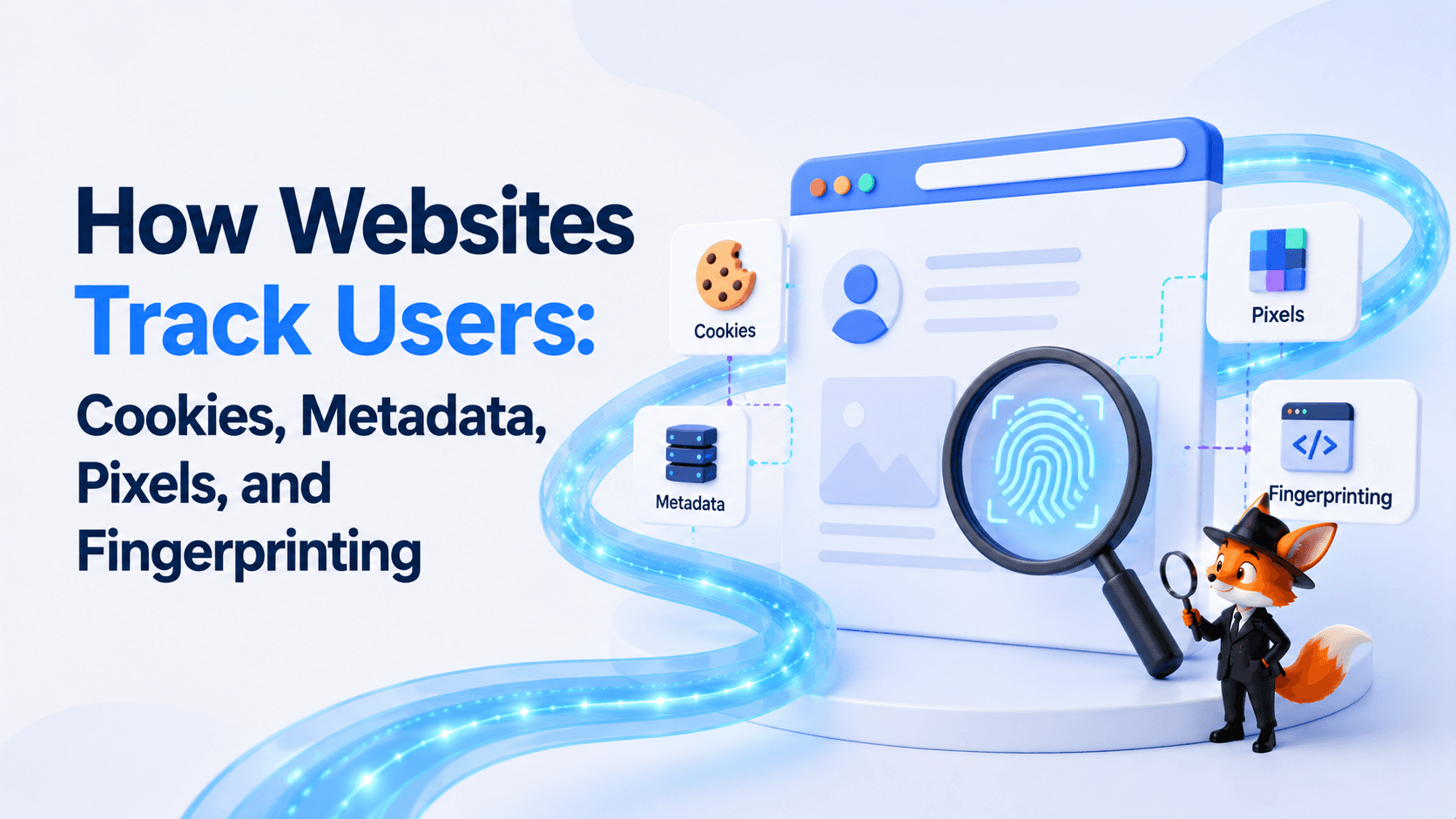
Learn how Canvas Fingerprinting and WebGL Fingerprinting work, what information they collect, and why modern anti-fraud systems analyze both as part of a larger browser fingerprint.

What Is IP Reputation and Why Does It Matter?
Learn what IP reputation is, how it is calculated, which organizations track it, and why a poor reputation can lead to CAPTCHAs, verification requests, and account restrictions.

SOCKS5 vs HTTP Proxy: Which One Should You Use?
Compare SOCKS5 and HTTP Proxy to understand their differences, use cases, advantages, and which protocol is best for browsing, automation, scraping, and multi-accounting.

What Is Split Tunneling?
Learn how VPN Split Tunneling works, its different types, advantages, risks, and when to use it for greater flexibility and better performance.

Why Websites Show the Wrong Location
Learn how IP geolocation databases work, why websites sometimes display the wrong location, and why the issue is often unrelated to your VPN.1